
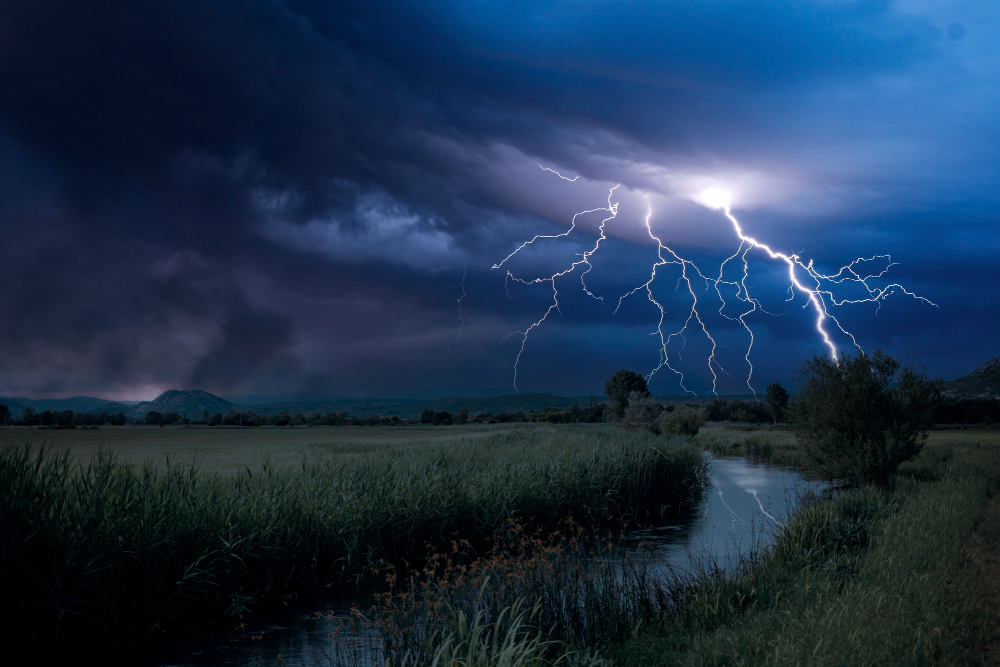
Introduction:
Weather shapes the way we live, from what we wear to how we travel. While it’s easy to check a forecast and plan your day, the science behind weather is both fascinating and complex. From gentle breezes to powerful storms, understanding weather patterns can help us prepare for the unexpected and appreciate the beauty of nature.
The Science of Weather:
Weather is the result of interactions between the atmosphere, oceans, and land. Key elements include temperature, humidity, wind, and precipitation. Meteorologists use data from satellites, radar, and weather stations to predict short-term and long-term patterns. Seasonal changes, geographical location, and climate phenomena like El Niño and La Niña also play crucial roles in shaping local weather.
Types of Weather:
- Sunny & Clear: Ideal for outdoor activities, clear skies often follow high-pressure systems.
- Rainy & Stormy: Caused by low-pressure systems, rain and storms are essential for replenishing water supplies.
- Snow & Cold: Winter weather brings snow, ice, and cold temperatures, especially in temperate and polar regions.
- Windy & Foggy: Wind patterns can influence temperature and humidity, while fog forms when moist air meets cooler surfaces.
Weather and Daily Life:
Weather impacts agriculture, transportation, energy consumption, and even mental health. Farmers rely on rainfall and temperature patterns for crops, while urban areas must plan for floods, heatwaves, or snowstorms. Understanding weather trends also helps people make safer travel and lifestyle choices.
Climate Change and Extreme Weather:
Rising global temperatures are making extreme weather events more frequent and severe. Heatwaves, hurricanes, and heavy rainfall are becoming common, emphasizing the importance of sustainability, disaster preparedness, and awareness.
Tips to Stay Weather-Ready:
- Always check daily forecasts before leaving home.
- Dress appropriately for temperature and precipitation.
- Keep emergency kits ready for storms or natural disasters.
- Stay informed about climate trends in your area.
Conclusion:
Weather is more than just a daily forecast; it’s a dynamic system that influences life in countless ways. By understanding weather patterns and staying prepared, we can navigate nature’s moods safely and responsibly.
Leave a Reply